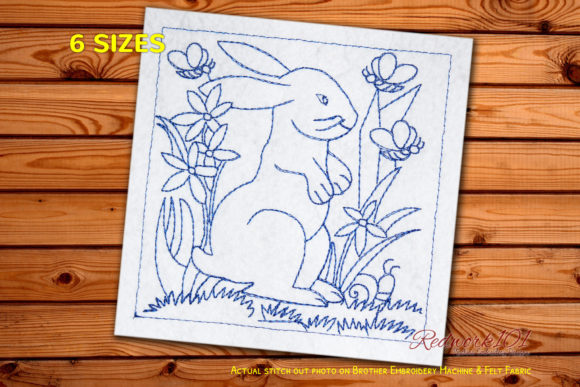
A Garden Rabbit Embroidery Design Review
As an embroidery designer preparing products for a craft fair booth, my first step is always to evaluate a design’s real-world potential. Today, I’m looking at Rabbit Sitting in Garden Redwork. This Wild Animals themed embroidery file presents a charming, rustic scene. The title alone evokes a soft, decorative, and premium feel—perfect for the handmade market. The optional Box Stitch mentioned in the description is an interesting note; it suggests flexibility, but the core design is that serene rabbit in a garden.
First Impressions and Market Fit
At a glance, this design feels decidedly cute and farmhouse. It’s not overly bold or modern, but it carries a timeless, gentle appeal that resonates with customers looking for warmth and nature-inspired decor. This mood is a significant strength. On a crowded craft fair table filled with tote bags, aprons, and pillow covers, a design like Rabbit Sitting in Garden Redwork can stand out by offering calm visual rest. It doesn’t shout; it invites.
For Etsy sellers and small shop owners, this aesthetic aligns well with popular niches like cottagecore, garden-themed home goods, and gentle animal motifs. It feels inherently giftable.
Performance on Key Craft Fair Products
The true test is how this machine embroidery design translates onto physical handmade products. Here’s a practical review based on typical booth inventory.
Tote Bags and Market Bags
This design should excel here. A rabbit in a garden scene on a natural canvas or linen tote bag creates a cohesive, premium tote bag design. It works as a medium-to-large focal point. The redwork style (assuming predominantly red or single-color stitching) offers excellent clarity and contrast, especially on lighter fabrics. It photographs beautifully for online listings, making it a strong candidate for Etsy and printable mockups.
Aprons and Kitchen Towels
For apron embroidery and tea towel embroidery, the rustic charm is a direct sell. Embroidered on the pocket of a linen apron or the corner of a textured towel, it becomes a functional art piece. Be mindful of fabric texture; on thick or highly textured towels, ensure adequate stitch density so the design doesn’t appear sparse. A test on scrap fabric is crucial.
Pillow Covers and Pouches
As a focal point on a pillow cover, this design elevates a simple item into a decorative home accent. For small fabric pouches, it can serve as a lovely accent. However, consider scale. If the design has tiny garden details, reducing its size for a pouch might lose clarity. Always confirm hoop size compatibility for your intended product.
Caps and Patches
This is a more challenging application. Applying Rabbit Sitting in Garden Redwork to a curved cap surface requires careful stabilization. Also, the design’s likely scenic composition might feel cramped on a limited cap area. As an embroidered patch, however, it could be fantastic—a standalone piece that customers can apply to various items, adding versatility to your product line.
Practical Production and Selling Points
Turning a digital embroidery file into profitable craft fair products requires a focus on practicality.
How easy is it to understand at a glance? Very. A rabbit in a garden is immediately recognizable and emotionally appealing. This speeds up customer decision-making at the booth.
Is it repeatable for batch production? Yes, if the design isn’t overly complex with thousands of stitches. The redwork approach often simplifies thread colors, making batch runs more efficient. Remember to check spacing and stitch density in your file to avoid overly dense areas that could pucker on lighter fabrics like pillow covers.
How does it photograph for online listings? Single-color or limited-color designs like this typically photograph with great clarity, showcasing the handmade quality. Good photos directly affect product value perception and buyer engagement.
Careful-Use Notes for the Embroidery Designer
Before producing any finished product, a professional review includes these hands-on checks.
- Test on Scrap Fabric: Always embroider Rabbit Sitting in Garden Redwork on a scrap of your intended product fabric (e.g., canvas for bags, linen for towels). This reveals how fabric texture interacts with the design.
- Check Thread Contrast: If using the classic redwork, test on both light and dark fabrics. On dark fabric, the design may lose impact unless you use a light or bright thread. The description mentions the box color can be skipped, which simplifies color choices.
- Review for Tiny Details: Examine the file closely. If the garden includes very small elements (like tiny flowers or fine lines), they may disappear on smaller products or certain fabrics. Adjust hoop size or consider simplifying if needed.
- Use the Right Stabilizer: The appropriate stabilizer is key for clean stitches on every product type, especially textured items like tea towels or stretchy items like caps.
- Create at Least One Real Mockup: Before batch production, make one complete, finished item—a tote bag or pillow. This assesses the final aesthetic and booth display strength.
- Compare Fabric Colors: See how the design looks on different background colors. A natural linen might enhance its rustic feel, while a white cotton might make it pop for a more modern look.
- Confirm Commercial Licensing: Crucially, before selling any products, verify your license for this digital embroidery file permits commercial embroidery use. Do not assume.
Final Judgment: Customer Attention and Product Value
Rabbit Sitting in Garden Redwork, when executed well, increases customer attention through its thematic coherence. It tells a simple, pleasant story. This enhances product value—a tea towel becomes more than a towel; it’s a small piece of art. For your brand consistency, if your shop leans towards nature, animals, or rustic home decor, this design fits seamlessly.
At the craft fair booth, display it on products where its story shines: a garden rabbit on a market bag for gardeners, on a tea towel in a kitchen display, or as a patch for crafters. Mix these products to attract different buyers.
In summary, Rabbit Sitting in Garden Redwork is a strong contender for your handmade product line. Its appeal is clear, its application is versatile, and its production, with careful testing, should be straightforward. It embodies the gentle, handmade quality that customers at fairs and online seek. Focus on quality execution, clear photography, and verifying your commercial rights, and this design can become a quiet, steady seller in your collection.