Angry Elephant Sketch for Business Embroidery: A Design Review
As an embroidery designer working with small businesses, I regularly evaluate digital files for their potential beyond decoration. Today, I’m reviewing the Angry Elephant Sketch embroidery design from a practical, commercial standpoint. This Wild Animals category design presents an intriguing character with immediate visual impact, but its true value lies in how it translates onto merchandise and branded patches.
First Impression: Bold Character for Brand Storytelling
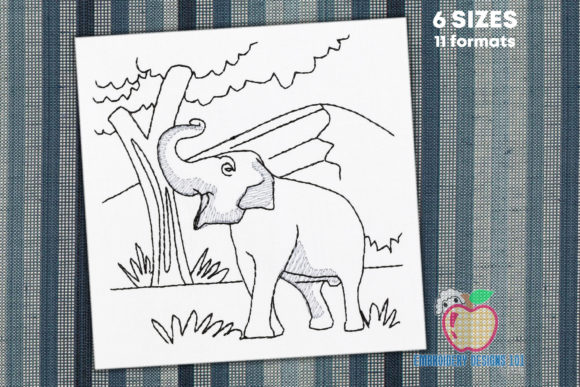
The title Angry Elephant Sketch conjures a specific personality—playful, assertive, and slightly rustic. It’s not a generic, serene animal portrait. This sketch-style design feels handmade and bold, which can be a powerful asset for businesses wanting to project strength, uniqueness, or a touch of whimsy. For a café, creative studio, or outdoor brand, this isn’t just an elephant; it’s a statement. The description notes it’s “not 100 filled,” meaning the stitch density is lighter, creating a more textured, sketch-like appearance that can feel premium and artistic, avoiding the overly plastic look of high-density fills.
Practical Performance on Business Merchandise
Let’s translate that first impression into real-world application. The key question for any embroidery file is: how does it perform on the items that build your brand?
Embroidered Patches and Product Labels
For creating custom patches, the Angry Elephant Sketch’s outlined, sketch-based nature is advantageous. A lighter stitch density means the patch remains flexible and less bulky, ideal for applying to tote bags, aprons, or as a product label on handmade goods. For a pet brand or boutique, a patch with this character can add significant value and recognition to a simple item. The multiple sizes mentioned are crucial here; you’ll need to verify the smallest size offered to ensure the design’s details—like the elephant’s expression and lines—remain clear and crisp at a patch dimension suitable for a cap or sleeve.
Uniforms, Caps, and Apparel Decorating
On staff uniforms, work shirts, or caps, this design serves as a powerful accent. Placed on a chest or sleeve, it breaks from typical corporate logos, fostering a friendly, creative environment. For cap embroidery, the design’s central focus and likely bold outlines are positive, but you must test the specific file size intended for caps on curved fabric. Sketch-style designs can sometimes lose cohesion on curved surfaces if the perspective isn’t adjusted in the file itself.
Tote Bags, Aprons, and Customer Gifts
This is where the Angry Elephant Sketch truly shines for small business merch. A tote bag or apron featuring this design instantly communicates a brand’s personality. It feels less like advertising and more like a shareable piece of art. For Etsy sellers or craft businesses, adding this to a product as a small embroidered mark elevates it from a generic item to a branded, handmade product. The textured fabric showing through the “not 100 filled” stitches adds to that handmade, premium presentation.
Where to Use Angry Elephant Sketch with Care
Every design has considerations. For commercial embroidery projects using this file, a few points demand attention.
First, size is critical. While the product comes in multiple sizes, the effectiveness at the smallest scale must be verified. Tiny patch sizes might blur the “angry” expression and sketch details, reducing impact. Always stitch a test sample at your intended application size.
Second, thread color contrast. A sketch relies on clear outlines. On dark uniforms or fabrics, like black aprons, you must ensure the design uses light-colored thread or has sufficient contrast to remain visible. A test in black and white thread on various fabric swatches is a designer’s best practice.
Third, fabric texture and stabilizer. The lighter fill means the base fabric will be more visible. Using the correct stabilizer for the item—whether a structured cap or a soft tote bag—is essential to prevent puckering and maintain the sketch’s clean lines through frequent washing.
Impact on Brand Identity and Customer Perception
Integrating the Angry Elephant Sketch into your visual assets affects brand identity profoundly. It introduces a mascot-like element. For a local bakery or florist, it can symbolize strength and reliability (“an elephant never forgets”) with a playful twist. This builds customer recognition far faster than a text-only logo.
It enhances perceived value. An embroidered tote bag with a unique, artistic design feels more valuable than a plain one, encouraging customer engagement and gift purchases. For professional visual consistency, this design should be compared beside your other brand assets. Does its rustic, bold style complement your existing fonts and colors? If so, it can become a cohesive part of your merch lineup, strengthening professionalism through deliberate design choice.
Essential Embroidery Designer Notes for Business Use
Before running this machine embroidery design on a production batch, follow this checklist.
- Test First: Always stitch the Angry Elephant Sketch file on scrap fabric identical to your final product. Check detail clarity at your chosen hoop size.
- Mockup for Approval: Create a printable mockup or digital preview for client approval. Seeing it on a cap or apron digitally avoids costly missteps.
- Review Commercial Licensing: The description doesn’t specify license terms. You must confirm the digital embroidery file is licensed for commercial use before applying it to business merchandise for sale.
- Thread Palette: The sketch style may allow for creative thread color changes. Experiment to match your brand colors, but ensure contrast is maintained.
- Compare with Other Assets: Place the stitched sample beside your other branded items. Does it feel like part of the family? This ensures cohesive brand storytelling.
In summary, the Angry Elephant Sketch embroidery design offers small businesses a tool for building memorable, character-driven merchandise. Its sketch aesthetic provides a handmade, premium feel suitable for patches, apparel, and branded product add-ons. Success, however, hinges on practical testing for size and contrast, and confirming its licensing for your commercial embroidery projects. When applied thoughtfully, it can transform simple merchandise into engaging brand ambassadors.