Christmas Elf Shoe: A Festive Embroidery Design Review
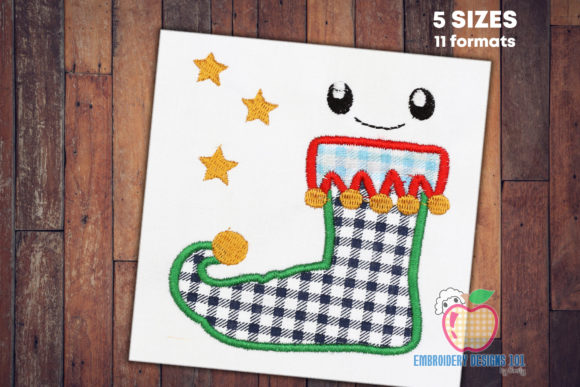
As an embroidery designer preparing for a busy holiday craft fair season, I’m constantly evaluating which designs will translate into standout handmade products. Today, I’m reviewing the Christmas Elf Shoe embroidery design. The description states it's a machine applique design, coming in five sizes from 4in to 8in, suitable for a range of hoop sizes from 4x4 up to 8x12. My review is from the perspective of turning this digital embroidery file into physical products that will sell on my booth table.
First Impression and Market Fit
The first thing that strikes me about the Christmas Elf Shoe is its inherently festive and playful character. It leans toward a cute, decorative aesthetic—not overly rustic or farmhouse, but unmistakably holiday. This is a design with strong visual appeal that communicates its theme instantly. For a craft fair customer glancing at a booth from a few feet away, a recognizable, cheerful motif like this can quickly grab attention. It feels like a design that would work well for a broad audience, from those seeking whimsical holiday decor to buyers looking for a fun gift.
Considering it's categorized under Beauty and Embroidery, I interpret this as its appeal being in its decorative beauty—a charming addition to everyday items. This isn't a minimalist or premium-luxe design; its value is in its traditional, heartwarming holiday spirit, which is exactly what many shoppers seek at seasonal markets.
Performance on Key Craft Fair Products
My table display typically features a mix of tote bags, aprons, tea towels, caps, patches, fabric pouches, pillow covers, and various giftable items. The Christmas Elf Shoe design, with its range of sizes, offers excellent versatility for this product lineup.
Large-Scale Statement Items
Using the larger 8-inch size, this design becomes a fantastic focal point. On a standard pillow cover or a market tote bag, a large elf shoe would be bold and eye-catching. It would give those products a high perceived value as a dedicated, decorative handmade item. For an apron, especially a solid-color holiday apron, the larger size placed centrally would make a strong statement. The design’s detailed nature, as implied by the mention of applique, suggests it has defined areas that would pop nicely on these bigger canvases.
Small-Scale Accents and Quick-Turn Items
The smaller sizes, like the 4-inch option suitable for a 4x4 hoop, are perfect for product batch production and smaller gift items. A 4-inch Christmas Elf Shoe embroidered onto a tea towel corner or a fabric pouch creates a delightful accent without overwhelming the item. This size is also ideal for creating embroidered patches, which are always popular, fast to produce, and easy to price. For caps, the curved surface requires careful planning, but a medium-sized version (perhaps from the 5x7 hoop range) could work well on the front or side, offering a festive touch to wearable gear.
Practical Production and Selling Points
Turning a digital design into a successful craft fair product requires a practical eye. Here’s my breakdown for the Christmas Elf Shoe.
Understanding and Repeatability
A design that is easy to understand at a glance is a sales winner. This elf shoe motif is exactly that. For batch production, having five included sizes is a significant advantage. I can envision setting up a production run of tea towels using the 5x7 hoop size—it’s repeatable, efficient, and creates a cohesive product line for my booth. The design seems decorative rather than text-heavy, which avoids potential issues with tiny lettering losing clarity, especially on textured towel fabric.
Photography and Online Sales
For my Etsy listings and printable mockups, a design with clear shapes and good contrast photographs well. The Christmas Elf Shoe, likely featuring distinct areas of color from the applique technique, should look sharp in product photos. It's important to create at least one real mockup on a final product, like a tote bag, to test this. Photographing it on a dark fabric will test the thread color contrast; bright, festive colors on a dark background often look especially vibrant and premium, boosting perceived handmade quality.
Stitch Density and Fabric Considerations
The product description mentions it is an applique design. Applique often involves areas of solid fabric covered by stitching, which can help manage stitch density. However, any densely stitched areas, particularly in the decorative details of the shoe, need to be considered. On thick fabrics like caps or some tote bag materials, and on textured towels, high stitch density can cause puckering or stiffness. This necessitates using the right stabilizer and testing on scrap fabric first. For smaller sizes, any extremely tiny details might lose definition, so choosing the appropriate size for the product is crucial.
Booth Display Strength and Customer Engagement
A strong craft fair booth displays products that tell a story. A line of items featuring the Christmas Elf Shoe design creates instant thematic consistency—a holiday gift shop vibe. Placing a large, beautifully embroidered pillow cover at the back of the table acts as an anchor. Smaller items like patches or pouches with the design at the front engage customers with lower-price-point, impulse-buy options.
This design affects customer attention by being unambiguously festive. In a crowded market, that clarity helps. It boosts product value by transforming a simple tea towel or tote into a specialized holiday item. For brand consistency, if my small shop focuses on holiday or whimsical themes, this design fits perfectly. Buyer engagement comes from the design’s inherent charm; it’s likely to spark conversations about holiday traditions or elicit smiles, which is priceless at a live event.
Essential Embroidery Designer Notes
Before committing this design to my production schedule, I follow a strict checklist. For the Christmas Elf Shoe, my notes would be:
- Test on Scrap Fabric: Always stitch out the design, preferably in a mid-range size like the 6-inch, on a scrap of the actual fabric I plan to use (e.g., canvas for bags, cotton for towels).
- Check Thread Contrast: Review the suggested or used thread colors against my planned fabric palette—dark greens, reds, and creams against navy or black fabrics for high impact.
- Review Spacing and Hoop Size: Confirm the exact hoop size compatibility. The description lists suitability for hoops like 5x7 and 8x12, but I must ensure my machine files match my physical hoop capabilities.
- Inspect Stitch Density: Look closely at the stitch-out for overly dense areas that might require adjusting tension or using a heavier stabilizer, especially for towels or lightweight pouches.
- Create a Real Mockup: Produce at least one finished product, such as an apron or pillow cover, to judge the final aesthetic and physical feel.
- Compare Fabric Colors: Stitch the design on a few different color fabrics to offer variety at my booth and see which combinations sell best in mockup photos.
- Confirm Commercial Licensing: This is critical. The product description does not specify license terms. I must verify that my purchase of this machine embroidery design includes the commercial license to sell the finished products I make with it at craft fairs and online. Never proceed without this confirmation.
Finally, the detailed stitch count and sizes are shown in the product image, as noted. I advise every fellow Etsy seller, boutique maker, and creative entrepreneur to study that image closely before production to understand the design’s exact composition and plan their thread inventory and product sizing accurately.
Final Judgment for Craft Fair Success
The Christmas Elf Shoe embroidery design presents a solid opportunity for holiday market products. Its festive theme, size versatility, and likely decorative detail make it a strong candidate for a range of items from statement pieces to small accents. Its visual appeal is direct and engaging, which is key for both in-person booth sales and online listings. The practical considerations around stitch density and fabric testing are standard for any quality applique design. By carefully selecting the right products—perhaps pairing the larger sizes with pillow covers and tote bags, and the smaller sizes with tea towels and patches—this design can become a profitable part of a holiday craft fair lineup. As always, success hinges on thorough testing, proper licensing, and presenting the finished products with the care that showcases their handmade quality.