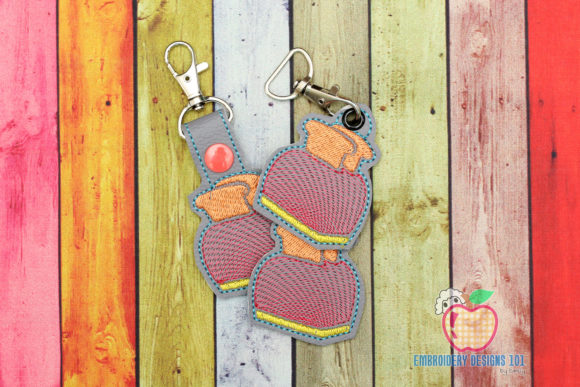
A Retro Kitchen Charm: Testing the Toaster Keychain Embroidery Design
As an embroidery designer planning new products for a personalized gift shop, my first task is always to evaluate a design from a practical and emotional perspective. When I opened the Retro Toaster Keyfob Keychain ITH embroidery file, my immediate impression was one of playful, classic charm. This design isn't just a functional object; it’s a tiny piece of nostalgia. It feels sweet, handmade, and delightfully kitchen-centric, evoking warm memories of breakfast and cozy mornings. The detail level suggests a cheerful, approachable aesthetic that would resonate with anyone who loves a touch of vintage whimsy in their daily life.
The Emotional Pull and Gift Potential of This Kitchen Motif
In the world of personalized gifts, emotional appeal is everything. This retro toaster design has a strong, nostalgic pull that makes it perfect for meaningful keepsakes. Imagine a newlywed couple who loves cooking together—this design embroidered on a custom apron or pillow cover becomes a unique wedding gift. For a family keepsake, stitching it onto a kitchen towel or blanket adds a personal touch to a household item. Its playful nature also makes it ideal for baby embroidery projects, like decorating a nursery item or a cozy baby blanket for a family that cherishes home and hearth.
From a business standpoint, this design opens numerous product avenues. An Etsy seller or craft fair vendor could use it to create a whole line: keychains (using the included in-the-hoop versions), embroidered towels, tote bags, and pillow covers. Its clear theme (Kitchen) makes it easy for customers to find and understand. For small shop product previews, creating a printable mockup showing the design on different items (aprons, towels) can significantly boost buyer engagement and help visualize the final handmade product.
Practical Application: Where This Design Thrives and Where Caution is Needed
The beauty of a machine embroidery design like this is its versatility, but a professional test always involves identifying the best and most challenging applications. The provided versions (Snap Tab, Eyelet, and Ribbon) are wonderfully 4x4 hoop friendly, making them accessible for many embroiderers. This size is excellent for smaller gift items like keychains, patches, or the corners of towels and napkins.
However, some elements require careful planning. If the design contains very small lettering or extremely delicate details, you must consider the fabric texture. Stitching on thick towels or looped terry cloth requires ample stabilizer and possibly adjusting stitch density. For stretchy baby clothes or items with curved surfaces (like caps), extra stabilization and testing are crucial to prevent distortion. Embroidering on dark fabric demands thoughtful thread color selection for proper contrast. And for any product destined for frequent washing—like kitchen linens or baby blankets—a robust stitch structure and quality threads are non-negotiable for longevity.
How This Design Enhances Giftability and Customer Trust
When a customer receives a custom embroidery gift, the perceived value is tied directly to the quality and thoughtfulness of the design. The Retro Toaster Keyfob Keychain ITH, when executed well, elevates a simple item into a cherished heirloom. Its specificity (a kitchen toaster) creates a stronger emotional connection than a generic pattern, making the gift feel more personal and intentional. This directly boosts giftability.
For the maker selling finished products, this design communicates handmade quality and attention to theme. In product photography, a well-embroidered toaster on a crisp apron or towel looks professional and desirable, building immediate customer trust. It tells a story, which is a powerful tool for engagement in online listings or a physical shop. Whether targeting wedding gift designers, baby product creators, or digital product sellers offering the file itself, this design has a clear audience that appreciates niche, charming art.
Essential Embroidery Notes Before You Stitch for Customers
Before running this digital embroidery file on a customer's order, a thorough personal test is mandatory. Always start by stitching on scrap fabric that matches your intended final material. This allows you to check thread color contrast on both light and dark backgrounds and to review stitch density to ensure it’s neither too sparse (weak) nor too dense (rigid).
- Confirm hoop size compatibility. While the design is noted as 4x4 hoop friendly, verify it fits comfortably in your specific hoop with the chosen stabilizer.
- Use proper stabilizer for your fabric type. This is the single most important factor for a clean result.
- After stitching, meticulously check small details like any tiny elements or text to ensure they are fully formed and not lost in the fabric texture.
- Compare light and dark fabric mockups digitally if possible, to plan your thread palette.
- Finally, if you plan to sell the finished physical products, absolutely confirm commercial licensing before selling. Not all embroidery files come with automatic commercial rights; you must verify the terms for this specific design.
Missing specific details like exact stitch counts or file formats? I always advise fellow makers to check the original design listing or designer’s notes for those technicalities before committing to a production run.
A Final Word on This Retro Kitchen Companion
From my perspective as a designer evaluating for a gift shop, the Retro Toaster Keyfob Keychain ITH embroidery design is a winner. It combines a strong, heartwarming theme with practical in-the-hoop functionality. It’s a design that would attract customers looking for a nostalgic, kitchen-themed personalized gift—from the bride who wants a custom apron to the grandparent making a nursery blanket. By testing it thoroughly, choosing the right applications, and respecting its technical needs on different fabrics, you can transform this charming machine embroidery design into a product that feels both professionally made and deeply personal. That’s the perfect balance for any successful handmade product business.