Vintage Kitchen Mixer Embroidery: A Designer’s Review
First Impressions: Charm That Speaks to a Handmade Audience
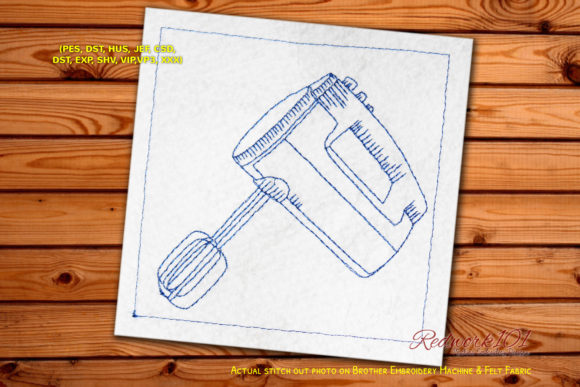
When I first opened the Vintage Kitchen Mixer Redwork embroidery design, its charm was immediate. This isn't just a graphic of an appliance; it’s a stylized, almost nostalgic character piece. The mood it creates is warm, domestic, and friendly—a perfect slice of cozy kitchen life. The shape is sturdy and iconic, the details are crisp without being overly fussy, and the overall layout feels balanced and ready to stitch. It has a visual personality that leans toward giftability and personal connection rather than stark branding, making it a natural fit for projects that tell a little story.
Where This Design Finds Its Perfect Home
In my practice, a design's theme dictates its project destiny. This mixer belongs in the House category, and that’s exactly where it shines. I picture it stitched onto a high-quality cotton apron for a baking enthusiast, becoming a focal point on a kitchen towel for a boutique shop, or adding a personalized touch to a linen pillow cover for a wedding gift. It would look fantastic on a canvas tote bag—the kind sold at craft fairs—or as a sweet, subdued decoration on a baby’s organic cotton blanket for a nursery. For holiday gifts, imagine it on a set of tea towels with a name embroidered beneath it. The vintage aesthetic lends itself perfectly to products that feel handmade, thoughtful, and slightly sentimental.
A Real-Life Scenario: Crafting a Boutique Kitchen Towel
Let’s walk through a real case. I’m considering using this for a line of embroidered kitchen towels for my small shop. The design size needs to be just right—not too large to overwhelm the fabric, not too small to lose its charm. I’m thinking about thread colors. The description notes the outer box stitch is optional and its color can vary, which is a useful designer note. This means I can adapt the framing element to match my thread palette or skip it entirely for a cleaner, more minimalist vintage look on the towel. The core mixer design, in a classic redwork style, would pop beautifully against a natural linen or light cotton background.
Performance on Real Fabrics and Products
For custom apparel like sweatshirts or t-shirts, this design works well due to its moderate detail level. It’s not so dense that it would distort stretchy fabric, provided a good stabilizer is used. On a cap, the curved surface might require careful hooping, but the central, rounded shape of the mixer should adapt reasonably. For an embroidered patch, it would be excellent—the clear outlines make it recognizable even at smaller scales. However, on very textured fabrics or dark backgrounds, the contrast needs planning. You’d want to test thread colors to ensure the redwork or chosen color scheme maintains clarity.
Areas to use carefully? If the design file includes very small lettering or intricate decorative accents around the main image, those might need attention on thin fabrics or in very small hoop sizes. The stitch density in any fill areas should be checked on scrap fabric first to prevent puckering, especially on items like baby clothes or lightweight apparel that undergo frequent washing. For layered garments, like a hoodie, ensure your stabilizer strategy is robust.
How This Design Elevates Your Finished Product
The visual appeal here translates directly to perceived value. A well-stitched Vintage Kitchen Mixer on a product feels professional and deliberate. It builds customer trust because it looks like a cared-for, handmade product, not a generic imprint. For an Etsy seller or craft business, this consistency across a line of kitchen-themed items—aprons, towels, pillow covers—can strengthen your brand’s niche. Its giftability is high; it’s a recognizable, friendly image that doesn’t require explanation. This engagement factor is key for digital product sellers too; in a printable mockup, this design shows clear potential for a beautiful finished product, making it an attractive design asset for other makers.
Commercial Use and Professional Considerations
For commercial embroidery projects or selling finished items, this design’s clean aesthetics support a professional outcome. Whether it’s for a local boutique’s merchandise or a line of personalized gifts, the execution needs to be flawless to match the design’s charm. Always confirm the licensing terms of the embroidery file before proceeding with commercial sales. Does it allow for selling the physical handmade product? Is it cleared for digital embroidery file resale? Those are vital checks.
Practical Notes for the Embroidery Designer
Before committing this to a client project or your shop inventory, here’s my routine. First, stitch it out on a scrap of your target fabric—a kitchen towel cotton, a sweatshirt fleece, whatever. This reveals true stitch density, thread color contrast, and how small details like the mixer’s outlines behave. Check the effective hoop size required; does it fit your intended product area? Inspect any optional elements, like the mentioned box, to decide if they enhance or clutter your final vision.
Run it through black and white mockups to see its form without color, and compare it on both light and dark fabric backgrounds in your software. This tells you about its versatility. Use the appropriate stabilizer for your fabric texture; a design like this can look wonderful on an apron if the foundation is secure. Finally, ask yourself: does this embroidery project fit both personal and potential commercial applications in my workflow? If yes, the Vintage Kitchen Mixer Redwork becomes more than a file—it becomes a reliable partner for creating products that feel special and well-crafted.
The Final Stitch: A Design with Purpose
The Vintage Kitchen Mixer Redwork design, in essence, is a practical and charming asset. It doesn’t rely on hype; its value comes from its clear application to real-world, emotion-touching projects. From a custom tote bag for a foodie friend to a series of embroidered patches for a small shop, it carries a warmth that stitches out beautifully. Approach it with a professional’s eye—test, adapt, and plan—and it will repay that care with a finished product that delights both you and your audience.