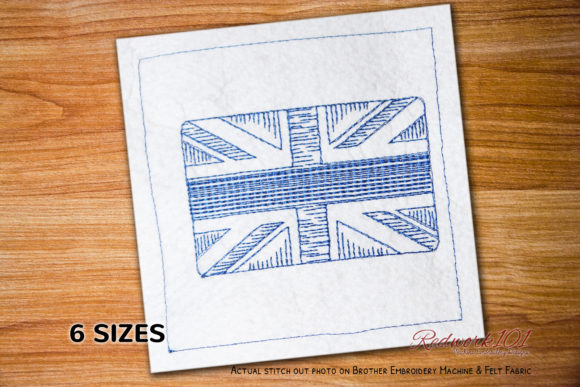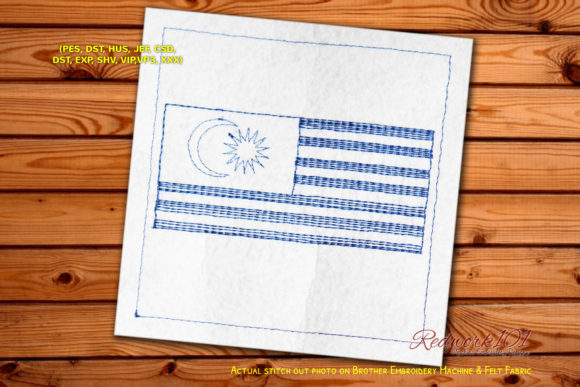
Reviewing the United States of America Redwork Embroidery Design
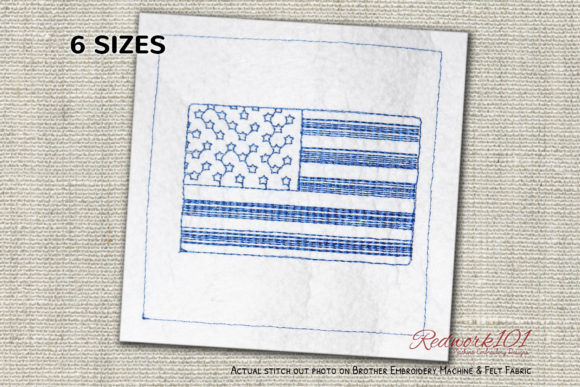
As an embroidery designer preparing a premium sweatshirt drop for a boutique brand, my first task is to evaluate the core design asset. Opening the United States of America Redwork file, the immediate impression is one of classic, graphic patriotism. The term “Redwork” suggests a focus on outline and detail rather than filled color blocks, which aligns perfectly with a more subtle, sophisticated approach to holiday-themed apparel. This isn’t a loud, cartoonish flag; it feels decorative and intentional, leaning into a timeless, almost rustic aesthetic that can elevate casual sweatshirts into special, seasonal pieces.
The Design’s Mood and Layout for Boutique Merchandise
The layout appears centered and balanced, making it an ideal candidate for classic chest placement on hoodies or sweatshirts. For a small shop product, this consistency is key for brand recognition across your collection. The design’s detail level, implied by the Redwork style, suggests clean lines and perhaps intricate elements within the map or flag motifs. This creates a stitching personality that is precise and proud, not playful or cute. On a premium, neutral sweatshirt—think heather grey, oatmeal, or soft cream—this design will pop with authority. The contrast of red thread against a muted fabric background creates an instant focal point that feels both bold and refined.
For dark fabric, like a navy or black oversized hoodie, the redwork will shine brilliantly, offering that premium, high-contrast look customers often seek in custom apparel. On pastel colors, such as a light pink or baby blue sweatshirt, the design takes a softer, more feminine and decorative turn, appealing to a different segment of your boutique audience. This versatility in mood—from strong and patriotic on neutrals to charming and sweet on pastels—is a significant asset for a limited drop aiming to capture varied customer tastes.
Practical Application: From Hoop to Finished Product
Moving from first impression to practical application, several designer concerns come to mind. The thread color contrast is inherently strong given the redwork focus, but the optional box stitch mentioned in the description is a critical note. As a designer, I would typically skip an outer box in a different color unless it’s integral to the composition; it can frame the design beautifully on a sleeve accent or as a back design, but on the chest, it might feel overly constraining. Testing via a printable mockup on different sweater colors is essential to decide.
Stitch Density and Fabric Considerations
The Redwork style typically implies a lower stitch density than filled designs, which is excellent news for sweatshirt embroidery. Heavy stitch counts can sink into thick fleece and cause puckering. A cleaner outline design should sit beautifully on the fabric’s surface, preserving the garment’s cozy texture. This directly affects washing durability and overall product longevity—a must for commercial embroidery use. Your choice of stabilizer will still be crucial, especially for oversized hoodies where the fabric weight varies, but the design itself seems inherently compatible.
For small-size readability, such as on a child’s sweatshirt or a smaller sleeve accent, the clarity of the Redwork lines becomes paramount. Before production, verify that the embroidery file includes clean, unbroken paths at reduced sizes. The hoop size required will depend on the final dimensions you choose for your hoodie design; always check the actual design dimensions in your software before hooping.
Elevating Brand Identity and Customer Engagement
Using the United States of America Redwork on a limited sweatshirt collection isn’t just about adding a holiday motif; it’s about building your brand’s identity. This design, when embroidered with precision on high-quality blanks, communicates a commitment to craft. In your Etsy listings and lifestyle product photography, the clean, embroidered finish will stand out against digital prints or appliqué. It reinforces the value of a handmade product, fostering buyer trust through visible quality.
The design’s inherent link to Independence Day provides a clear seasonal hook, but its execution through embroidery makes it feel special and lasting—not like disposable holiday decor. This encourages customer engagement beyond the usual festive purchase; they’re buying a well-made apparel item they can wear year-round with a subtle patriotic nod. For a boutique brand, this aligns perfectly with creating a curated, thoughtful inventory.
Commercial Use and Final Production Notes
Does the United States of America Redwork feel strong enough for commercial apparel use? Based on its style, I believe it does. Its graphic nature ensures visual recognition from a distance, important for marketplace mockup previews. The optional box stitch offers a customization avenue—you could use it to create a slightly different variant for a premium tier, perhaps on the back of a sweatshirt for a statement piece.
A final, crucial reminder: this review is based on the design’s described character and typical Redwork attributes. Before moving to production, you must inspect the actual digital embroidery file details. Confirm the exact stitch counts, any layer breakdowns, and the recommended file formats for your machine. Ensure the optional elements are clearly separated for easy editing. These design assets are the foundation of your finished product’s success.
In conclusion, the United States of America Redwork presents a fantastic opportunity for small clothing brands and creative entrepreneurs. It delivers a versatile, premium aesthetic that can adapt from bold to delicate across your sweatshirt lineup. By addressing the practical embroidery concerns and leveraging its strong visual appeal, you can create a cohesive, valuable collection that resonates with customers and strengthens your handmade brand’s story.