Ambulance Car Lineart Design: A Clean, Bold Statement
A Design That Signals Strength and Care
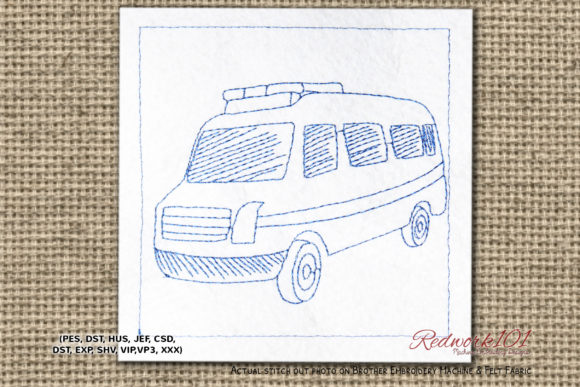
From a designer's perspective, the first thing I notice about this Ambulance Car Lineart Design is its confident simplicity. It isn't a fussy, overly detailed illustration; it's a clear, bold line drawing that communicates its theme instantly. The mood it creates is one of professionalism, service, and action—a perfect blend for projects aimed at healthcare workers, first responders, or supportive communities. The visual personality is straightforward and heroic, which makes it a versatile asset for many embroidery projects.
The Real-World Project: A Custom Embroidered Tote Bag
Let's imagine a real scenario: I'm preparing a custom embroidered tote bag for a nurse's retirement gift. I want the design to be meaningful, clean, and stitch up beautifully without overwhelming the fabric. This ambulance lineart design immediately feels like a strong candidate. Its linear structure suggests it will translate well into stitches, creating a crisp outline rather than a dense, heavy fill area. The optional box stitch mentioned in the description is a thoughtful addition; it gives the design a framed, finished look that can elevate it on a standalone item like a patch or pillow cover, but skipping it for the tote bag keeps the focus purely on the iconic vehicle.
Where This Design Excels in Product Applications
The clean lines of this design make it a fantastic choice for a wide range of embroidery projects. I would confidently use it on custom apparel like sweatshirts or t-shirts, where its bold outline would stand clear against a fabric texture. It would shine as an embroidered patch, perfect for caps or bags. For small business merchandise or Etsy listings targeting a medical theme, it adds immediate recognition. Consider it for baby clothes or nursery decor for a paramedic parent, on aprons for a hospital volunteer, or as a dignified emblem on a pillow cover or tea towel. In commercial embroidery projects for clinics or fire departments, this design offers a professional, branded look without being overly complex.
Careful Considerations for Stitching Success
While the design's simplicity is a strength, it demands attention in certain applications. On very small hoop sizes, the key lines need to be checked for clarity—you don't want essential details like the ambulance's defining features to become muddled. Stitching it on textured or stretchy fabric requires a good stabilizer to keep those crisp lines from distorting. For dark fabric backgrounds, thread color contrast is paramount; a bright white or vibrant red might be necessary to make the lineart pop. Applying it on curved surfaces like caps requires careful placement so the design's horizontal orientation sits correctly. Since it's a line-based design, there likely aren't dense stitch areas, but always inspect the small details in a preview to ensure corners and connections are clean.
How It Enhances Your Finished Product's Appeal
From a business and customer perspective, using a well-executed design like this boosts your product's value. Its clear, recognizable imagery builds customer trust—they see exactly what they're getting. The handmade presentation feels professional and intentional, not cluttered. For giftability, especially within the Transportation and service themes, it has immediate emotional resonance. It supports brand consistency for a shop focusing on medical or community themes. In a marketplace like Etsy or at a craft fair, this kind of design engages buyers quickly because its purpose is unmistakable.
Practical Notes for the Embroidery Designer
Before running this machine embroidery design on a final project, my standard practice applies. Always test it on a scrap of your intended fabric first. This allows you to check the actual stitch density, see how the lines form, and confirm your chosen hoop size is adequate. Pay close attention to thread color contrast, especially if you're altering the suggested colors. The description notes the outer box color can differ or be skipped, so experiment with that in your test. I'd also recommend checking the design in black and white mockups to evaluate its form independently of color, and comparing how it looks on both light and dark fabric backgrounds digitally if possible. Using a proper stabilizer is key for maintaining the integrity of those lines. Finally, a crucial step for any digital embroidery file: confirm the licensing terms before using it for commercial projects or selling finished items. This ensures your craft business operates smoothly and professionally.
A Design Ready for Action
In summary, the Ambulance Car Lineart Design is a practical, impactful choice from an embroidery standpoint. It avoids the common pitfalls of overly complicated embroidery designs that can bunch on fabrics or lose detail when stitched small. Its personality is direct and sincere, making it a reliable design asset for personal gifts or small shop products. By following sensible testing and preparation steps, this design can become a standout element on a tote bag, a heartfelt gift on a blanket, or a strong branded logo on a work apron. It’s a design that doesn’t just look good on screen—it feels like it will stitch up cleanly and serve its purpose proudly on the finished product.