A Professional Review: The Blue Diamond Embroidery Design
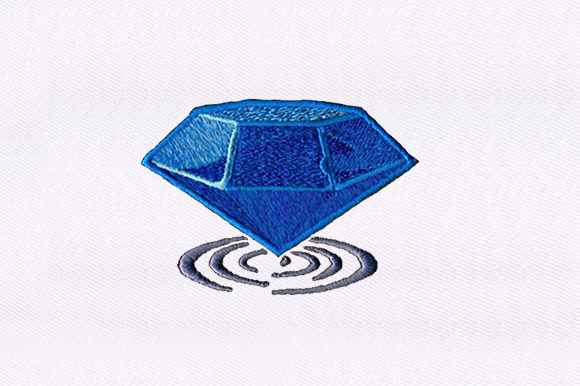
As a designer preparing for a weekend craft fair, my first task is to evaluate new designs from a purely practical standpoint. Which designs will translate beautifully into products that not only look good but also sell? Today, I’m reviewing the Blue Diamond machine embroidery design, considering its potential for my booth filled with tote bags, aprons, tea towels, and other handmade items.
The First Impression of Blue Diamond
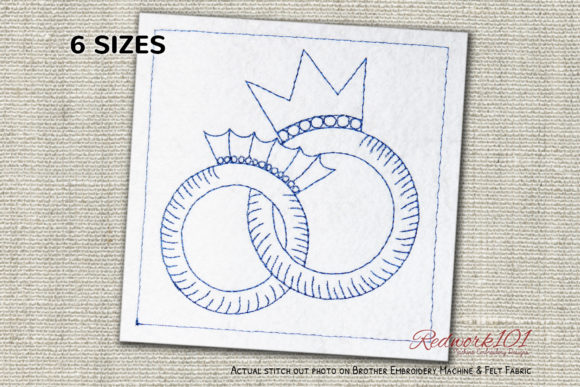
Based solely on the title, Blue Diamond immediately suggests elegance and a touch of premium quality. It doesn’t feel rustic or overtly casual. This is a design that leans toward sophistication, which aligns perfectly with its listed category of Wedding Designs. For craft fair sellers, this tells us the design has inherent emotional weight—it speaks of celebration, commitment, and special occasions. That’s a powerful starting point for customer engagement.
Where Blue Diamond Stands Out on Products
My booth display strategy is to place designs on products where they feel most natural and valuable. For Blue Diamond, I envision it shining on items that carry a sense of giftability or personal luxury.
- Tote Bags & Market Bags: On a high-quality canvas or linen tote, this design could elevate a simple bag into a cherished wedding gift or a stylish accessory. It would act as a beautiful focal point.
- Aprons & Kitchen Towels: While typically more rustic, a premium linen apron or tea towel embroidered with Blue Diamond transforms it into a special gift for a bride or a hostess. The contrast between the elegant design and the utilitarian product can create surprising value.
- Pillow Covers: This is a natural fit. A small pillow cover with this design would be a stunning decorative item for a newlywed’s home or a boutique bedding collection.
- Fabric Pouches & Small Gift Items: Embroidered on a velvet or satin pouch for jewelry or keepsakes, Blue Diamond adds a handmade, personalized touch that feels luxurious.
- Embroidered Patches: As a standalone patch, it could be sold to customers for customizing their own wedding memorabilia or gifts, offering great versatility.
- Caps: This requires careful thought. The curved surface of a cap and the typically sporty context might clash with the elegant mood unless targeting a very specific, fashion-forward niche.
Practical Production & Selling Points
Turning a digital embroidery file into a profitable craft fair product involves several real-world checks.
Design Clarity & Scale
A key question: does Blue Diamond work as a small accent or does it need to be large? Without seeing the actual file, I must advise caution. Designs with dense stitch areas or tiny details can lose clarity at smaller sizes, especially on textured towels or dark fabrics. Before batch production, test the design on scrap fabric at various sizes. Check the thread contrast against your intended fabric colors. A diamond motif suggests geometric lines; inspect the stitch density to ensure clean, sharp edges without puckering.
Photographing for Online Sales
For my Etsy listings and printable mockups, an elegant design like this needs a clean, bright background to showcase its detail. It should photograph well, lending a premium feel to the online listing, which boosts perceived value. Creating at least one real, high-quality mockup is essential before committing to batch production.
Batch Production & Booth Impact
Is Blue Diamond repeatable? For a craft fair, I often produce several items with the same popular design. The consistency across different products (a tote, a towel, a pouch) can create a strong, cohesive brand statement in the booth. Customers notice repetition of a beautiful pattern, which reinforces its desirability. However, always confirm the commercial licensing of your embroidery file before selling finished products. The provided formats (like PES, DST, VIP) indicate wide machine compatibility, which is excellent for production efficiency.
Careful-Use Notes for the Embroidery Designer
Here are my hands-on notes for anyone planning to use this design for handmade products.
- Always review the spacing and hoop size requirements in the actual file. A design with a diamond shape may have a specific orientation or minimum size to look correct.
- Use the right stabilizer for the fabric. Heavier items like tote bags need robust support; lightweight linens for pillow covers require a lighter touch to maintain fabric drape.
- For items like caps or curved surfaces, test thoroughly. The design may need adjustment or a different stabilization technique.
- Compare the design on light and dark fabric swatches. A "Blue Diamond" might rely on specific color saturation to pop. Consider using a slightly brighter thread on dark backgrounds.
- If the design is intended for Wedding Designs, pairing it with complementary products in your booth (like other elegant or romantic items) can create a themed section that attracts a specific buyer.
Final Judgment for the Craft Fair Booth
Blue Diamond presents a strong opportunity for creative entrepreneurs targeting customers seeking elegance and giftable quality. Its mood is decorative and premium, not cute or funny. This means it may not be the fastest, impulse-buy item, but it will attract buyers looking for something special, thereby increasing the perceived value and price point of your handmade product.
In the bustle of a fair, a well-embroidered tote bag or pillow cover featuring this design will stand out through its sophistication. It encourages a closer look, a touch of the fabric, and questions about its meaning—all of which drive engagement. For production, its success hinges on the practical embroidery steps: testing scale, managing stitch density, and choosing complementary products. Done correctly, Blue Diamond can be a beautiful, high-value anchor in your collection of small shop products.